
Bandh Baretha

Bandh Baretha Trip Checklist: What to Pack for Winter Season
Winter is a lovely time to plan a family outing or a relaxing stay at Bandh Baretha. You may spend the morning watching birds, enjoy lunch with your family and take a walk around the natural surroundings.
A little preparation can make your visit more comfortable. Warm clothes, suitable shoes and a few everyday essentials are enough to get your packing started.
Here is a simple guide to what you should carry for a winter trip to Bandh Baretha.
Carry Warm Clothes
Winter mornings and evenings can feel colder than the afternoon. Pack clothes that you can add or remove as the weather changes.
A comfortable shirt, sweater and warm jacket will help you adjust during the day. Carry a scarf and woollen cap if you are planning an early morning outing or staying outdoors in the evening.
Check the local weather forecast before travelling and choose your clothes accordingly.
Wear Comfortable Shoes
Comfortable walking shoes with a good grip are useful for exploring outdoor areas. Wear a pair that you already find easy to walk in.
Carry an extra pair of socks, especially if you are staying overnight. Keep your clothes and footwear suitable for the activities you have planned.
Bring Your Birdwatching and Camera Essentials
If you enjoy watching birds, bring binoculars if you have them. A small notebook can help you remember the birds you notice during your visit.
Photography lovers can carry a camera, charged batteries and a memory card with enough space. A phone camera is also useful for family photographs and landscape pictures.
Keep your equipment in a protective bag that is easy to carry.
Keep Your Phone and Travel Details Ready
Charge your phone before leaving and carry its charging cable. A power bank can be useful during a longer outing.
Save the resort’s contact numbers, booking details and exact location pin. Share the location with anyone travelling separately so everyone can reach the same meeting point.
Carry any identification requested for your booking, along with a payment option and some cash.
You can also check our How to Get There guide while planning your journey.
Carry Water and Personal Essentials
Bring a drinking-water bottle and keep it within easy reach. Tissues, hand sanitiser, sunglasses and sun protection are useful additions to your bag.
Carry your regular medicines and any personal items you normally need during a day out. Keep a small bag for your waste so you can leave the surroundings clean.
Discuss meal timings with the resort before your visit. If you want to bring snacks or children’s food, ask about the outside-food policy first.
Pack a Little Extra for Your Family
For children, carry a spare set of clothes and an extra warm layer. A small notebook, colouring book or familiar toy can keep them occupied during breaks.
For older family members, keep spectacles, regular medicines and warm clothes easy to reach. Ask about walking distances and seating when planning the visit.
A relaxed schedule with time for meals and rest helps everyone enjoy the day.
Add Overnight Essentials if You Are Staying
If you are staying overnight, pack sleepwear, toiletries and a fresh set of clothes for the next day. Remember your phone’s wall charger as well.
Ask the resort which bedding and room facilities are provided. If you need an extra blanket or have a particular room requirement, discuss it when booking.
For camping, confirm the sleeping arrangements and equipment supplied before deciding what additional items to carry. You can explore our stay information for initial planning.
Check Your Plans Before Leaving
Before starting your journey, check the weather, confirm your arrival time and make sure your phone is charged.
Keep water, warm clothes and personal essentials where you can reach them easily. If you have booked an outdoor activity, ask whether any special equipment is needed.
Allow enough time for the return journey and keep everyone in your group informed about the plan.
Plan Your Winter Visit to Bandh Baretha
A well-packed bag helps you settle into your trip and enjoy time with your family and friends.
Contact Bandh Baretha Eco Resort with your preferred date, number of guests and plans for the visit. The team can discuss the arrangements with you before you travel.
Bandh Baretha Eco Resort
Baretha Dam, Bayana, Bharatpur, Rajasthan
Booking enquiries: +91 72399 99222 | +91 90247 55738
Website: www.bandbaretha.com

Winter Birdwatching at Bandh Baretha: A Beginner’s Guide
The first time you notice a duck’s unusual bill or watch a cormorant disappear underwater, a familiar view of a lake becomes much more interesting. Birdwatching begins with these small discoveries.
For anyone curious about birds, winter birdwatching at Bandh Baretha offers a reason to slow down and look closely at the landscape around Baretha Dam, near Bayana in Bharatpur, Rajasthan.
A pair of binoculars, a little patience and a short, well-planned outing can help you get started. This guide explains when to plan your visit, which birds to learn about, how to observe them and what to bring.
Why Visit Bandh Baretha for Winter Birdwatching?
Rajasthan Tourism describes Band Baretha as a birdwatching destination with more than 200 bird species, including the elusive Black Bittern. This is a destination-wide diversity figure; your own sightings will depend on the season and conditions.
Winter is particularly interesting for waterbirds. A published study covering 2005–2008 recorded its highest seasonal waterbird diversity in winter, with 53 species. These historical findings explain the site’s winter importance without predicting what will be present on a particular visit.
For beginners, the reservoir provides an opportunity to compare birds swimming, diving and feeding in different ways. Watching those differences is a useful first step towards recognising species.
When Should You Plan Your Visit?
November to March is a useful broad planning window, subject to local conditions. The published reservoir study used these months for its winter surveys, while Rajasthan’s tourism guidance identifies the cooler part of the year as a comfortable visiting season.
Before choosing a date, ask about recent sightings, water conditions and visitor access. Bird numbers and locations change, so current local information is more useful than a photograph from an earlier year.
Plan your first session after daylight and within permitted visiting hours. If fog limits visibility, allow the morning to clear. Keep your schedule flexible enough to spend time at a productive viewing point.
For a wider introduction to the destination, read our Bandh Baretha Travel Guide.
Six Birds to Learn About Before You Go
The following species have historical winter records from the reservoir. Use them as a starting point for learning, then ask a knowledgeable local observer which birds have been seen recently.
| Bird | A useful identification clue |
|---|---|
| Northern Shoveler | Look for the unusually broad, flattened bill |
| Northern Pintail | Notice the slender shape; adult males have a long, pointed tail |
| Eurasian Coot | A dark waterbird with a contrasting white bill and forehead shield |
| Little Cormorant | A dark diving bird, sometimes seen resting with its wings spread |
| Indian Spot-billed Duck | Look for the yellow tip on the otherwise dark bill |
| Eurasian Spoonbill | A long-legged white bird with a flattened, spoon-shaped bill |
These clues help narrow down an identification. Compare the whole bird with a field guide, because distance, light and age can affect what you see.
What About the Black Bittern?
The Black Bittern is one of the birds highlighted by Rajasthan Tourism, which also describes it as elusive. Treat it as a possibility to discuss with an experienced birder rather than an expected sighting on your first winter trip.
Spend time enjoying the birds you can observe clearly. Learning to recognise a familiar duck or coot can make your next visit more rewarding.
How to Identify a Bird: Start with Four Clues
When a bird catches your attention, observe it before reaching for a name. Ask four simple questions:
- Size and shape: Is it compact, long-necked, slender or heavy-bodied?
- Colour pattern: Where are the main light and dark patches?
- Behaviour: Is it diving, swimming, standing still or probing the shallows?
- Habitat: Is it on open water, near shoreline vegetation or in a tree?
Keep the bird in view while you gather these clues. Afterwards, compare your observations with a field guide or an identification tool such as Merlin Bird ID. Treat an app’s suggestion as something to check against what you actually observed.
Using Binoculars for the First Time
Binoculars make it easier to study birds from a respectful distance. An 8× pair, including common 8×42 models, can provide a useful balance of magnification and a manageable field of view for beginners.
Practise before the trip. Find a distant object with your eyes, keep looking towards it, then raise the binoculars without moving your head. Adjust the focus until the image is clear.
If you already have access to a suitable pair, start with those. For distant birds on the reservoir, ask a guide whether a spotting scope is available for the outing.
Where Should Beginners Look?
From permitted visitor areas, divide the view into manageable sections:
- Open water: Scan slowly for swimming birds and watch where diving birds reappear.
- Shallow edges: Look for birds standing or feeding close to the shoreline.
- Vegetation margins: Pause and watch for movement rather than walking through the cover.
A slow scan often reveals more than repeatedly changing locations. Choose a comfortable viewpoint, watch quietly, and give yourself time to notice activity.
A Simple Plan for Your First Birdwatching Morning
Allow around two hours for a relaxed introductory session, adjusting the duration to your group and the conditions. This is a suggested plan, not an official tour timetable.
| Part of the outing | Suggested approach |
|---|---|
| First 15 minutes | Settle at a permitted viewpoint and practise focusing your binoculars |
| Next 40 minutes | Observe open-water birds and compare their shapes and behaviour |
| Short break | Rest, have water and review a few observations |
| Next 30–40 minutes | Explore another suitable viewpoint or continue watching a productive area |
| Final 15 minutes | Write notes and review any photographs or uncertain identifications |
An experienced local guide can help you learn the area and recognise birds. Ask about availability, fees, walking distance and any necessary permissions before travelling.
What to Carry
Pack for a quiet outdoor morning:
- Binoculars, if available
- A field guide or useful identification references saved on your phone
- A small notebook and pen
- Comfortable shoes and warm layers
- Drinking water, a hat and sun protection
- A charged phone and optional camera
- A small bag for carrying waste back
A lightweight setup makes it easier to concentrate on observing. A clear memory and a few useful notes can be as valuable as a photograph.
Watch Birds Without Disturbing Them
Good birdwatching gives birds space to continue feeding, resting and moving naturally.
Keep your voice low, stay on permitted routes and avoid approaching birds for a closer photograph. For a beginner outing, keep bird-call playback switched off and observe natural behaviour instead. Leave nesting areas and dense cover undisturbed. These practices follow established guidance on reducing disturbance to birds and their habitats.
If birds repeatedly move away as you approach, give them more space. Follow local instructions and carry all waste out of the viewing area.
Keep a Small Record of Your Visit
Write down the date, time, location, weather and a few details about each bird. For an uncertain identification, describe what you saw: “small dark swimming bird, white bill, feeding near vegetation” is a useful note.
Record a species name only when you are confident. A photograph or description can help you check it later with an experienced birdwatcher. If you use eBird, submit observations that reflect what you actually identified.
Over several outings, your notes will show how your observation skills develop.
Plan Your Visit with Bandh Baretha Eco Resort
Keep the rest of your day unhurried. After a morning outdoors, you may want time for breakfast, lunch or a relaxed conversation about the birds you observed.
Contact Bandh Baretha Eco Resort to discuss meal arrangements, your group’s needs and local activity options. If you would prefer to stay overnight, explore the resort’s stay information and confirm room availability separately.
You can also browse the Bandh Baretha gallery while planning your trip.
Frequently Asked Questions
Can children enjoy birdwatching at Bandh Baretha?
Yes, with a short, supervised outing suited to their age. Simple activities such as comparing bird sizes, watching a diving bird or drawing a bill shape can keep them interested. Include breaks and stay together near the water.
Do I need an expensive camera?
A camera is optional. Binoculars and a notebook are enough to begin learning, and an ordinary phone photograph may help record an observation when the bird is close enough.
What are the entry and guide charges?
Check the current access requirements and any applicable entry, vehicle or guide charges before your visit. Ask the resort team which arrangements it can help with and confirm the inclusions before booking.
Start Your Winter Birdwatching Journey
Your first visit might leave you remembering a duck’s bill, a bird’s diving pattern or a species you finally recognised for yourself. Each observation gives you something to build on next time.
Bring your curiosity, take your time and enjoy discovering the birdlife around Bandh Baretha.
Bandh Baretha Eco Resort
📍 Baretha Dam, Bayana, Bharatpur, Rajasthan
📞 +91 72399 99222 | +91 90247 55738
🌐 www.bandbaretha.com

Bandh Baretha One-Day Family Picnic: A Practical Planning Guide
A family picnic works best when everyone has something to enjoy: a little exploring for the children, comfortable breaks for grandparents, and enough time for the whole family to sit down over a meal.
If you are planning a Bandh Baretha one-day family picnic, keep the day simple. Arrive in the morning, choose one main outdoor experience, enjoy lunch together, and leave the afternoon flexible.
Located at Baretha Dam in Bayana, Bharatpur, Bandh Baretha Eco Resort promotes family picnic visits alongside its other outdoor experiences. It can be the starting point for planning a day around nature, food and time together.
This guide offers a suggested itinerary, activity ideas and the practical questions to ask before you book.
Why Choose Bandh Baretha for a Family Picnic?
Baretha Dam and the surrounding hills give families a setting for an outdoor day away from their usual routine. The wider Band Baretha landscape is also a historic wildlife reserve associated with Bharatpur’s rulers and is administered by the Forest Department.
For a family outing, the appeal can be quite simple: watching the landscape, spotting birds, taking photographs and sharing an unhurried lunch. You can shape the day around your family’s interests and energy levels.
Before deciding what to include, browse the Bandh Baretha photo gallery to get a feel for the destination.
Before You Leave: Settle the Essentials
Contact the resort with your preferred date, total number of guests, children’s ages and approximate arrival time. Mention any older family members who would prefer minimal walking.
Confirm the day-visit arrangements, meal options, seating, washroom access and parking. If someone uses a wheelchair or needs a route without steps, ask about the actual route between the parking area, seating and dining spaces.
Request the resort’s exact location pin and check your round-trip driving time. The website’s How to Get There guide can help with initial planning; use current navigation for your departure day.
Keep travel time part of the picnic plan. A comfortable arrival and return matter as much as the activities in between.
A Suggested One-Day Family Picnic Itinerary
The schedule below is a planning example. Agree on arrival times, meals and any organised activities with the resort before travelling.
| Suggested time | Plan |
|---|---|
| 9:30–10:00 am | Arrive, settle in and have pre-arranged refreshments |
| 10:00–11:00 am | Take an easy nature walk or spend time observing birds |
| 11:00 am–12:30 pm | Choose one family activity, with a break for anyone who needs it |
| 12:30–1:30 pm | Enjoy lunch together |
| 1:30–3:00 pm | Keep time for rest, conversation, cards or a quiet family game |
| 3:00–4:00 pm | Take photographs or enjoy a short outing to a permitted visitor spot |
| Around 4:00 pm | Have tea or refreshments, then prepare for the journey home |
Start with an Easy Morning
Give everyone a little time to settle after the drive. Children may be ready to explore immediately, while grandparents may prefer a seat and a drink first.
A short walk or some quiet birdwatching can be a gentle way to begin. Let children notice bird calls, different leaf shapes or reflections on the water. There is no need to turn the morning into a long trek.
Choose One Main Activity
Bandh Baretha Eco Resort’s website lists experiences such as nature discovery, cycling, trekking and Jeep Safari. Ask which options are operating on your date and suitable for your family.
For a one-day visit, choosing one main activity leaves room for meals and rest. A family interested in birds might spend longer observing the surroundings. Another group might prefer an arranged drive or an easy outdoor activity.
If you book a safari, check its route, duration, vehicle arrangements and any required permissions. Wildlife sightings depend on natural conditions.
Leave the Afternoon Flexible
After lunch, allow time for people to relax. A card game, a shared conversation or looking through the morning’s photographs can become part of the picnic.
If everyone feels comfortable later, add a short photography stop or another easy walk. Start the return journey at a time that suits your driver and your family’s routine.
Plan a Lunch Everyone Can Enjoy
Discuss the food arrangements before the visit, especially if several households are travelling together. Ask whether meals will be ordered individually or agreed in advance for the group.
A suggested family lunch could include dal, a seasonal vegetable dish, roti and rice, with other dishes chosen to suit the group. Ask about mild portions for children and share any food allergies or dietary requirements when enquiring.
Agree on refreshments as well as lunch. Knowing whether you have arranged a morning drink, an afternoon snack or both makes the day easier to organise.
If you plan to bring a birthday cake, children’s snacks or other outside food, check the resort’s policy first.
Make the Day Comfortable for Children and Grandparents
For younger children, short activities often fit a picnic better than a busy sightseeing schedule. Try a simple observation game: find three leaf shapes, listen for two different bird calls, or photograph a reflection without disturbing the surroundings.
For grandparents, plan convenient seating and regular breaks. Keep the group close enough that anyone who rests can easily rejoin the others.
Choose established visitor areas and keep children with an adult near water or uneven ground. Observe birds and animals quietly, leave plants undisturbed and carry your waste to an appropriate bin.
What to Pack for a Family Picnic
Keep your bag practical and light:
- Refillable drinking-water bottles
- Comfortable walking shoes, hats and sun protection
- A light layer or rain protection suited to the forecast
- Tissues, hand sanitiser and a small waste bag
- A change of clothes for younger children
- Any regular personal medicines and essentials
- A charged phone, power bank and optional binoculars
Download or save the location pin before leaving. If relatives are arriving in separate vehicles, agree on one meeting point and share the booking details with them.
How to Plan Your Picnic Budget
Ask for a current quote for your date and family size. Get the inclusions in writing so everyone knows what has been arranged.
| Budget item | What to confirm |
|---|---|
| Travel | Fuel, driver or taxi costs, and parking arrangements |
| Day visit | Any applicable charge and the permitted visit duration |
| Food | Refreshments, lunch, snacks and children’s portions |
| Activities | Charges for any selected vehicle, guide or organised experience |
| Extras | Taxes, additional orders and cancellation terms |
A shared family budget is easier to manage when one person coordinates the enquiry and circulates the confirmed details.
Choose Your Date Around the Weather
Check the forecast before finalising the outing. On a warm day, plan outdoor time earlier and keep the afternoon more restful. If rain is expected, ask what covered seating and alternative arrangements are available.
For this one-day plan, focus on the resort visit and one nearby experience. Adding several forts, waterfalls and distant attractions can leave little time for the family picnic itself.
Frequently Asked Questions
Is a safari necessary for a Bandh Baretha family picnic?
You can plan the day around food, conversation, photography and easy nature observation. A safari is an optional addition to discuss when booking.
What does a one-day family picnic cost?
Request the latest quote from Bandh Baretha Eco Resort for your date, group size, meals and selected activities. Confirm what is included before paying.
Should we contact the resort before visiting?
Advance contact helps you agree on arrival time, food and any organised activities, particularly when several families are coming together.
Can we extend the picnic into an overnight trip?
If your family would prefer a slower visit, explore the resort’s stay information and ask about room availability and charges separately.
Plan Your Family Day at Bandh Baretha Eco Resort
A good picnic leaves time for the small moments: children noticing a bird, cousins sharing stories, grandparents joining a family photograph, and everyone sitting down together for lunch.
To plan your visit, share your preferred date, guest count and meal requirements with the resort team.
Bandh Baretha Eco Resort
📍 Baretha Dam, Bayana, Bharatpur, Rajasthan
📞 +91 72399 99222 | +91 90247 55738
🌐 www.bandbaretha.com

बाजरा, ज्वार और रागी: मोटे अनाज को रोज़ के खाने में कैसे शामिल करें
मोटे अनाज यानी मिलेट्स कुछ वर्षों में फिर से चर्चा में हैं। बाजरा, ज्वार और रागी हमारी पुरानी रसोई का हिस्सा रहे हैं। इन्हें अपने भोजन में शामिल करना ज़्यादा मुश्किल नहीं है, बस थोड़ी योजना चाहिए।
मोटे अनाज क्यों चर्चा में हैं
इन अनाजों में रेशा (फ़ाइबर) और कई खनिज होते हैं, और ये कम पानी में उग जाते हैं। इसी वजह से इन्हें किसानों और पर्यावरण, दोनों के लिए अच्छा विकल्प माना जाता है। संयुक्त राष्ट्र ने वर्ष 2023 को अंतरराष्ट्रीय मिलेट वर्ष घोषित किया था।
तीन प्रमुख अनाज
- बाजरा: सर्दियों में रोटी और खिचड़ी के लिए लोकप्रिय। राजस्थान में बाजरे की रोटी और लहसुन की चटनी बहुत पसंद की जाती है।
- ज्वार: हल्की और आसानी से बनने वाली रोटी के लिए जानी जाती है।
- रागी (मंडुआ): रोटी, चीला, हलवा और दलिया के लिए उपयोगी।
शुरुआत कैसे करें
- धीरे-धीरे शामिल करें। पहले गेहूँ के आटे में थोड़ा बाजरा या ज्वार मिलाएँ, फिर मात्रा बढ़ाएँ।
- हफ़्ते में दो-तीन बार आज़माएँ। रोज़ बदलाव करने के बजाय धीरे-धीरे आदत बनाइए।
- पानी या गुनगुने पानी से आटा गूँधें। मोटे अनाज के आटे में चिपचिपापन कम होता है, इसलिए रोटी बेलने में थोड़ी मेहनत लगती है।
- भिगोकर बनाएँ। खिचड़ी या दलिया के लिए अनाज को कुछ घंटे भिगो दें।
आसान रेसिपी विचार
- बाजरे की खिचड़ी: बाजरा और मूँग दाल को सब्ज़ियों के साथ पकाएँ।
- रागी का चीला: रागी के आटे में प्याज़, हरी मिर्च और धनिया मिलाकर तवे पर पकाएँ।
- ज्वार की रोटी: गरम पानी से गूँधा आटा हाथ से थपथपाकर बनाएँ।
- रागी का हलवा: गुड़ और मेवों के साथ एक पौष्टिक मिठाई।
- मल्टीग्रेन आटा: गेहूँ, ज्वार, बाजरा और रागी का मिश्रण सरल विकल्प है।
सावधानियाँ
- पाचन पर ध्यान दें। नए अनाज को शुरू में कम मात्रा में खाएँ।
- पानी पर्याप्त पिएँ। फ़ाइबर बढ़ने पर पानी भी बढ़ाना चाहिए।
- चिकित्सा स्थितियाँ हों तो सलाह लें। यह सामान्य जानकारी है, चिकित्सकीय सलाह नहीं। किसी बीमारी या विशेष आहार के लिए डॉक्टर या आहार विशेषज्ञ से पूछें।
प्रोटीन और संतुलन
मोटे अनाज के साथ दालें, चने और सब्ज़ियाँ खाने से भोजन संतुलित बनता है। इस बारे में Plant-Based Protein in Indian Kitchens पढ़ें। वीगन विकल्प समझने के लिए वीगन क्या है? भी देखें।
यात्रा में भी आज़माएँ
राजस्थान की यात्रा में स्थानीय भोजनालयों में बाजरे की रोटी और खिचड़ी खाकर देखें। राजस्थानी थाली के बारे में राजस्थानी शाकाहारी और वीगन-फ्रेंडली व्यंजन पढ़ें।

Travel Safety in Eastern Rajasthan: Tips for Families, Women and Solo Travellers
Eastern Rajasthan is a welcoming region, and most visitors travel without any trouble. Even so, a few simple habits make a trip safer and more relaxed, whether you are a family, a woman travelling alone or a group of friends.
Before You Go
- Share your plan. Send your itinerary, stay details and contact numbers to someone at home.
- Book stays with good reviews and confirm check-in times in advance.
- Keep documents handy. Carry a photo ID and keep digital copies on your phone.
- Save emergency numbers. India’s national emergency number is 112, and the tourism ministry runs a helpline on 1363. Women can also use the police helpline 1091. Confirm numbers before you travel.
- Buy travel insurance if you can, especially for longer trips.
On the Road
- Travel in daylight when possible. Roads near forests and villages are poorly lit after dark.
- Use registered taxis or pre-booked drivers, and share the vehicle number with someone you trust.
- Avoid overloaded vehicles and fast driving on rural roads.
- Watch for animals. Cattle, deer and nilgai may cross suddenly.
- Keep fuel levels up before the last stretch to a sanctuary.
At Your Stay and in Town
- Keep valuables locked up and carry only what you need.
- Be cautious with strangers who offer unsolicited tours or deals, and use official counters and approved guides.
- Dress comfortably and modestly, especially in religious places and small towns.
- Trust your instincts. If a place or person feels uncomfortable, leave and move to a busier area.
In the Sanctuary and Outdoors
- Follow forest staff instructions and stay on permitted paths.
- Do not wander alone into forest areas, especially at dusk.
- Keep your distance from wild animals, and never feed or approach them.
- Be careful near water. Do not swim in the reservoir or stand on slippery edges.
- Protect yourself from heat and sun with water, a hat and sunscreen.
Health and Hygiene
- Drink sealed or filtered water.
- Eat freshly cooked food from busy places.
- Carry basic medicines, insect repellent and a first-aid kit.
For Solo and Women Travellers
Arrive at new places before dark, keep your phone charged with an offline map, and consider staying at properties with good security and friendly staff. Local guides recommended by your stay are usually safer than strangers on the street.
Related Reading
Our first-time visitor tips and safari etiquette cover the rest, and how to reach Bandh Baretha helps plan safe transport. Rules and conditions change, so check local advice before you go.

राजस्थानी शाकाहारी और वीगन-फ्रेंडली व्यंजन: बाजरे की रोटी से केर-सांगरी तक
राजस्थान की रसोई रेगिस्तानी जलवायु में विकसित हुई है। यहाँ अनाज, दालें, बेसन और सूखी सब्ज़ियों का खूब उपयोग होता है, इसलिए राजस्थानी भोजन का बड़ा हिस्सा शाकाहारी और कई जगह वीगन-फ्रेंडली भी बन जाता है। फिर भी कई व्यंजनों में घी या दही का इस्तेमाल होता है, इसलिए जानकारी रखना ज़रूरी है।
स्वाभाविक रूप से पौध-आधारित व्यंजन
- बाजरे की रोटी और लहसुन की चटनी: मोटे अनाज की रोटी और तीखी लाल मिर्च-लहसुन चटनी का मेल। रोटी पर घी न लगवाने को कहें।
- केर-सांगरी: रेगिस्तान में मिलने वाले केर (कैर) और सांगरी की सब्ज़ी, जो आम तौर पर तेल में बनाई जाती है।
- मिर्ची वड़ा: बड़ी हरी मिर्च में आलू का मसाला भरकर बेसन में लपेटकर तला जाता है।
- बेसन का चीला: प्याज़ और मसालों वाला नमकीन पैनकेक।
- बाजरे की खिचड़ी: बाजरा और दाल की गरम और पेट भरने वाली खिचड़ी।
- मंगोड़ी और पापड़ की सब्ज़ी: सूखी दाल और पापड़ से बनी अनोखी राजस्थानी सब्ज़ियाँ।
थोड़े बदलाव से बनने वाले व्यंजन
- दाल-बाटी-चूरमा: बाटी पारंपरिक रूप से घी में डुबोई जाती है और चूरमा भी घी से बनता है। घी रहित बाटी और तेल के तड़के वाली दाल माँगी जा सकती है।
- गट्टे की सब्ज़ी: बेसन के गट्टे अक्सर दही की ग्रेवी में बनते हैं। कुछ जगह प्याज़-टमाटर की ग्रेवी में भी बनाए जाते हैं।
- पंचमेल दाल: पाँच दालों का मिश्रण, जिसमें अक्सर घी का तड़का लगता है। तेल का तड़का माँग सकते हैं।
- कढ़ी: दही से बनती है, इसलिए वीगन नहीं है।
ऑर्डर करते समय सुझाव
- साफ़ बताएँ: घी नहीं, दही नहीं और पनीर नहीं।
- छिपे डेयरी पदार्थों के बारे में पूछें, जैसे ग्रेवी, परांठे और मिठाइयों में।
- वीगन रेस्तरां चुनें, जहाँ संभव हो। भरतपुर के पास की जानकारी के लिए Bandh Baretha Restaurant पढ़ें।
- सफ़र में अपना नाश्ता रखें, खासकर छोटे कस्बों की यात्रा में।
घर पर कैसे बनाएँ
शुरुआत बाजरे की रोटी, दाल और एक सूखी सब्ज़ी से करें। इनके लिए तेल, नमक, मसाले और थोड़े धैर्य के सिवाय कुछ नहीं चाहिए।
और जानें
अंग्रेज़ी में विस्तृत गाइड के लिए Vegan Rajasthani Food पढ़ें और वीगन क्या है? से शुरुआत समझें। भरतपुर और ब्रज क्षेत्र के भोजन के लिए ब्रज और भरतपुर यात्रा में क्या खाएँ देखें।

Vegan Diet for Beginners in India: Simple Swaps and Easy Meals
India already has a long tradition of vegetarian cooking, which makes the move to a vegan diet easier than in many countries. Veganism means avoiding all animal products, including milk, curd, paneer, ghee, honey and eggs. This guide gives you a gentle, practical start.
Start Gradually
You do not have to change everything on day one. Try one vegan meal a day for a week, then two, and keep going at your own pace. Small steps are easier to maintain than a sudden overhaul.
Easy Swaps
- Milk: Soy, oat, almond or coconut milk. Check labels for added sugar.
- Curd: Soy or coconut curd, or simply skip it and add lemon and spices for tang.
- Paneer: Firm tofu, soy chunks or mashed chickpeas.
- Ghee: Cold-pressed oils such as mustard, groundnut or coconut, depending on the dish.
- Honey: Jaggery, dates or maple syrup.
- Sweets: Dates, figs, coconut and fruit-based desserts.
A Sample Day of Meals
- Breakfast: Poha with peanuts and vegetables, or besan chilla with chutney.
- Lunch: Dal, rice or millet roti, a seasonal vegetable and a salad.
- Snack: Roasted chana, fruit or a handful of nuts and seeds.
- Dinner: Rajma or chole with roti, or a vegetable khichdi.
Nutrients to Watch
Plant-based diets can be healthy, but a few nutrients need attention:
- Vitamin B12: It is not reliably found in plant foods, so most guidance recommends fortified foods or a supplement.
- Protein: Dals, beans, soy, nuts and seeds give plenty of protein when eaten regularly.
- Iron: Combine greens, legumes and millets with vitamin C sources such as lemon or amla.
- Calcium: Ragi, sesame seeds, leafy greens and fortified plant milks help.
- Omega-3: Flaxseed, chia and walnuts are common plant sources.
This is general information, not medical advice. If you are pregnant, feeding a child, managing a health condition or taking regular medicines, speak to a doctor or qualified dietitian before changing your diet.
Eating Out and Travelling
Ask clearly about ghee, curd and paneer in restaurants, and carry snacks on long journeys. Fully vegan restaurants make life easy, and our guide to Bandh Baretha Restaurant introduces one near Bharatpur. For regional ideas, read Vegan Rajasthani food.
Keep Learning
For a clear introduction to the lifestyle, see What is Vegan? A Complete Guide to the Lifestyle and Its Benefits. Be patient with yourself, enjoy new flavours and focus on variety.

ब्रज और भरतपुर यात्रा में क्या खाएँ: पेड़ा, कचौड़ी और शाकाहारी स्वाद
किसी जगह को जानना हो तो उसके स्वाद से बेहतर तरीका कोई नहीं। ब्रज और भरतपुर क्षेत्र की यात्रा में आपको राजस्थान और उत्तर प्रदेश दोनों के स्वाद का मिलाजुला अनुभव मिलता है। यहाँ कुछ ऐसे शाकाहारी व्यंजन हैं, जिन्हें आज़माना अच्छा रहेगा।
सुबह का नाश्ता
- कचौड़ी-सब्ज़ी: गरम कचौड़ी और मसालेदार आलू की सब्ज़ी उत्तर भारत के कई शहरों की पहचान है। ब्रज क्षेत्र में भी यह सुबह के नाश्ते का लोकप्रिय विकल्प है।
- बेड़ई-आलू: दाल भरी हुई पूरी और चटपटी सब्ज़ी का यह मेल मथुरा-आगरा क्षेत्र में काफ़ी पसंद किया जाता है।
- जलेबी और दही: गरमागरम जलेबी के साथ ठंडा दही या दूध यहाँ का क्लासिक नाश्ता है।
दोपहर और रात का भोजन
- दाल-बाटी-चूरमा: भरतपुर राजस्थान की सीमा पर बसा है, इसलिए यहाँ राजस्थानी थाली का स्वाद भी मिल जाता है।
- बाजरे की रोटी और कढ़ी: सर्दियों का गरम और सुकून देने वाला भोजन।
- साधारण दाल, रोटी और मौसमी सब्ज़ी: ढाबों और घरेलू भोजनालयों में मिलने वाला सादा भोजन अक्सर सबसे स्वादिष्ट होता है।
- छाछ और लस्सी: गर्मियों में थकान दूर करने के लिए बढ़िया पेय।
मिठाइयाँ
- मथुरा का पेड़ा: ब्रज की सबसे प्रसिद्ध मिठाइयों में से एक, जो दूध से तैयार होती है।
- आगरा का पेठा: आगरा मार्ग से गुज़रते समय इसे अक्सर लोग खरीदते हैं।
- मौसमी मिठाइयाँ: त्योहारों पर गुझिया, मालपुआ और अन्य पारंपरिक पकवान मिलते हैं।
खान-पान में सावधानियाँ
- साफ़-सुथरी और भीड़ वाली जगह चुनें। ताज़ा बना और गरम भोजन अपेक्षाकृत सुरक्षित रहता है।
- पानी बोतलबंद या फ़िल्टर्ड ही पिएँ।
- खुले में रखे कटे फल और बर्फ़ से परहेज़ करें, खासकर गर्मियों में।
- पहली बार तीखा खाने से बचें। पेट की सुरक्षा के लिए धीरे-धीरे नए स्वाद आज़माएँ।
- बच्चों और बुज़ुर्गों के लिए सादा भोजन चुनें।
वीगन या घी-रहित भोजन चाहिए तो
इस क्षेत्र के कई व्यंजनों में घी, दूध या दही का उपयोग होता है। अगर आप इनसे परहेज़ करते हैं, तो ऑर्डर देते समय साफ़ बताइए। इस बारे में वीगन क्या है? और Vegan Rajasthani Food आपकी मदद करेंगे।
यात्रा के साथ जोड़ें
भोजन के बाद ब्रज और भरतपुर के स्थल देखने का आनंद अलग ही होता है। इसके लिए ब्रज क्षेत्र के पर्यटन स्थल और भरतपुर में अवश्य घूमने योग्य स्थान पढ़ें। बांध बरेठा के पास ठहरने-खाने के लिए कहाँ ठहरें और क्या खाएँ देखें। यात्रा से पहले खान-पान से जुड़ी स्थानीय जानकारी ज़रूर जाँच लें।
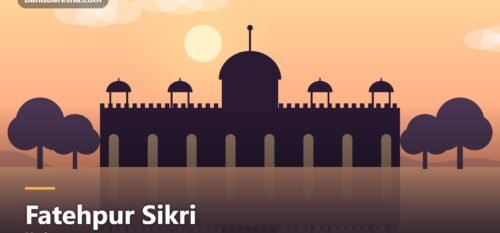
A Day Trip from Bandh Baretha to Fatehpur Sikri: Plan, Timing and Tips
Fatehpur Sikri is one of India’s best-preserved Mughal cities and sits not far from Bharatpur, which makes it an easy addition to a nature trip. If you are staying near Bandh Baretha, it works best as a full day outing, ideally on a separate day from the sanctuary.
A City Built and Left Behind
Emperor Akbar built Fatehpur Sikri in the 1570s as his capital, partly in honour of the Sufi saint Salim Chishti. The court moved away within about fifteen years, and a shortage of water is the reason most often given. The red sandstone city remained remarkably intact and is now a UNESCO World Heritage Site.
Highlights Worth Your Time
- Buland Darwaza: A towering gateway built in the early 17th century, often described as one of the highest in the world.
- Jama Masjid: A large and graceful mosque beside the dargah.
- Tomb of Salim Chishti: A white marble tomb with delicate carved screens, still visited by many pilgrims.
- Panch Mahal: A five-storey open pavilion that offers a view over the palace complex.
- Diwan-i-Khas and Diwan-i-Aam: Halls that show how Akbar’s court worked.
- Jodha Bai’s Palace and Birbal’s House: Beautiful examples of blended Hindu and Islamic design.
Sample One-Day Plan
- Early morning: Start from your stay and aim to arrive soon after opening time.
- Morning: Explore the palace complex with a government-approved guide.
- Late morning: Visit the dargah and Jama Masjid, dressing modestly and removing footwear where asked.
- Lunch: Take a break at a simple vegetarian restaurant in town.
- Afternoon: Climb Panch Mahal for the view and walk through the remaining courtyards.
- Evening: Head back toward Bharatpur or Bayana before dark.
Visitor Tips
- Beware of touts. Use official ticket counters and approved guides only.
- Carry water and wear a cap. The complex has little shade.
- Cover shoulders and knees when entering religious spaces.
- Keep valuables safe in crowded areas.
- Check timings and fees. Details for protected monuments change from time to time.
Combine It With Bharatpur
Many travellers pair Fatehpur Sikri with Keoladeo National Park or Lohagarh Fort and Deeg Palace. For the full region, see भरतपुर में अवश्य घूमने योग्य स्थान and our two-day Bandh Baretha itinerary. If you are travelling from Agra, read Weekend Trip from Agra to Bandh Baretha too.
A calm pace works best: choose a few places, enjoy them properly and leave time to simply sit in the courtyards and watch the light change.

वीगन क्या है? शुरुआत करने से पहले जानने योग्य आसान बातें
आजकल वीगन शब्द बार-बार सुनने को मिलता है। कई लोग इसे केवल एक आहार मानते हैं, जबकि इसका मतलब थोड़ा बड़ा है। इस लेख में हम सरल भाषा में समझते हैं कि वीगन क्या है और इसे अपनाने से पहले क्या जानना चाहिए।
वीगन का मतलब
वीगन जीवनशैली में भोजन और रोज़मर्रा की चीज़ों में जानवरों से मिलने वाले उत्पादों से दूर रहने की कोशिश की जाती है। आहार में इसका मतलब है कि दूध, दही, पनीर, घी, शहद और अंडे का सेवन नहीं किया जाता। कुछ लोग कपड़ों, चमड़े और सौंदर्य उत्पादों में भी जानवरों से जुड़ी चीज़ें नहीं अपनाते।
शाकाहारी और वीगन में अंतर
- शाकाहारी: मांस और मछली नहीं खाते, लेकिन दूध और उससे बने उत्पाद अक्सर लेते हैं।
- वीगन: सभी पशु-उत्पादों से दूर रहते हैं, इसलिए दूध, घी और शहद भी नहीं लेते।
लोग वीगन क्यों बनते हैं
लोगों के कारण अलग-अलग होते हैं। कुछ लोग पशुओं के प्रति करुणा के कारण यह रास्ता चुनते हैं, कुछ पर्यावरण को ध्यान में रखकर, और कुछ अपने स्वास्थ्य की सोच से। यह हर व्यक्ति का निजी निर्णय है।
भारतीय रसोई में आसान विकल्प
- दूध की जगह: सोया, बादाम या नारियल का दूध।
- पनीर की जगह: टोफू या सोया चंक्स।
- घी की जगह: तेल, जैसे सरसों, मूँगफली या नारियल का तेल।
- शहद की जगह: गुड़, खजूर या गन्ने का रस।
- दही की जगह: सोया या नारियल दही, या नींबू से खटास।
दाल, राजमा, चना, बाजरा, ज्वार और रागी जैसे भारतीय खाद्य पदार्थ पहले से ही वीगन आहार में काम आते हैं।
शुरुआत कैसे करें
- धीरे-धीरे शुरू करें। पहले हफ़्ते में एक वीगन भोजन आज़माएँ।
- नई रेसिपी सीखें। बेसन का चीला, पोहा और खिचड़ी आसान शुरुआत हैं।
- लेबल पढ़ें। पैकेट वाली चीज़ों में छिपे दूध या जिलेटिन से सावधान रहें।
- बाहर खाते समय साफ़ बताएँ कि घी, दही या पनीर नहीं चाहिए।
ध्यान देने वाली बातें
वीगन आहार में कुछ पोषक तत्वों, खासकर विटामिन B12, पर ख़ास ध्यान देना पड़ता है, क्योंकि यह पौधों से भरोसेमंद रूप में नहीं मिलता। गर्भावस्था, बच्चों के आहार या किसी बीमारी की स्थिति में आहार बदलने से पहले डॉक्टर या आहार विशेषज्ञ से सलाह ज़रूर लें। यह जानकारी सामान्य है, चिकित्सकीय सलाह नहीं।
और पढ़ें
अंग्रेज़ी में विस्तृत जानकारी के लिए What is Vegan? A Complete Guide और Vegan Diet for Beginners in India पढ़ें। राजस्थानी व्यंजनों के लिए Vegan Rajasthani Food देखें। भरतपुर के पास पूरी तरह वीगन भोजन के लिए Bandh Baretha Restaurant पर जाएँ।